

Blog
Premium types of natural wood for supplying palace and corporate projects

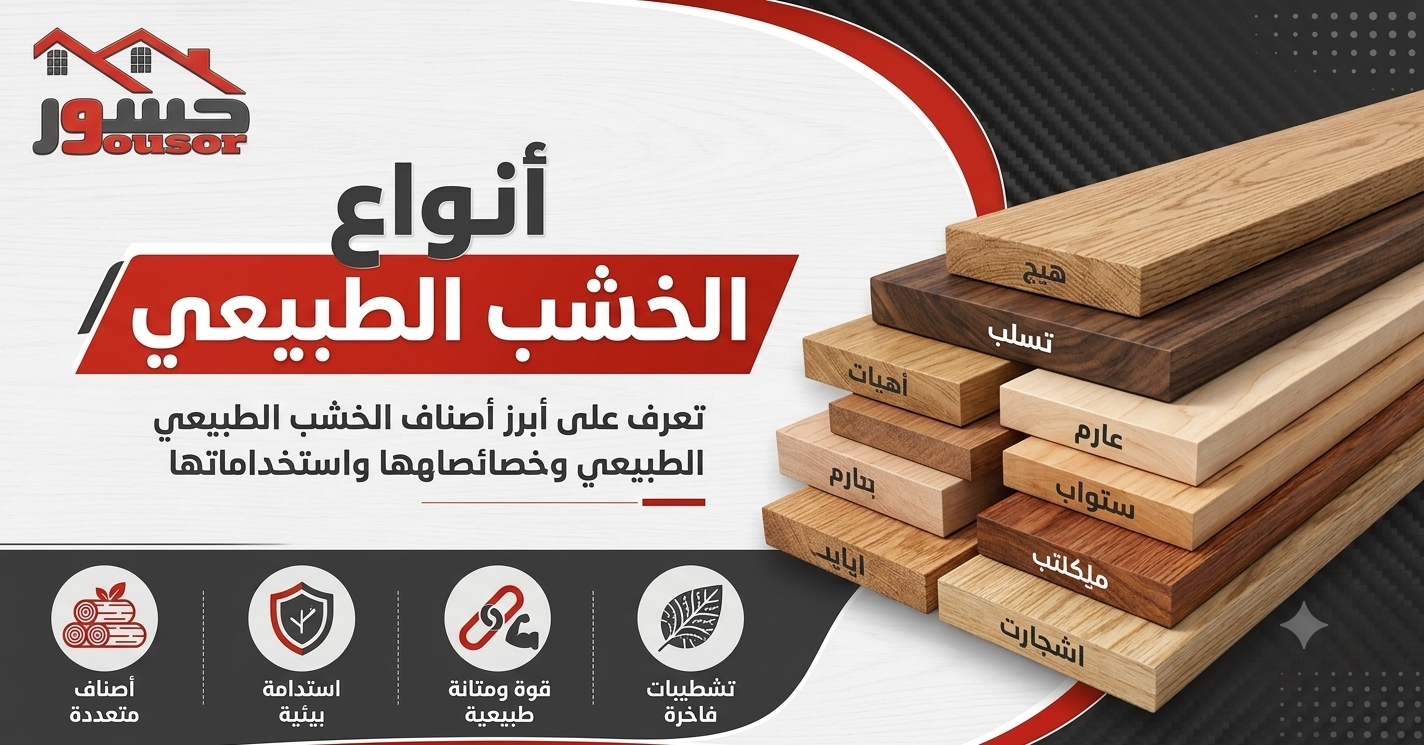
The types of natural wood that are suitable for palace projects and large companies are not measured by appearance alone, but by the authenticity of the origin and the durability of the fibrous structure that lasts for decades without losing its aesthetic or structural value.
The types of natural wood that are suitable for palace projects and large companies are not measured by appearance alone, but by the authenticity of the origin and the durability of the fibrous structure that lasts for decades without losing its aesthetic or structural value.
In addition, the high cost of these projects remains a crucial factor that requires accurate knowledge of each type and its actual value, so that the large investment does not turn into an ill-considered decision.
In this article, we review with complete credibility the finest types of natural wood approved for professional supply, explaining how to verify their authenticity before committing to any large project.
Shop for the best types of natural wood:
Medium-density fiberboard (MDF)
Why does natural wood remain the first choice for palace projects and large companies?
Natural wood retains its status as the first choice in palace and large corporate projects for fundamental reasons that go beyond aesthetics alone, most notably:
- Its authentic fibrous composition gives it structural durability that lasts for decades without noticeable performance degradation.
- Investment value increases over time, unlike manufactured raw materials which lose value over time.
- Each piece is unique with a distinctive, non-repeating natural pattern, giving the spaces an exclusive character that is difficult to imitate artificially.
- The ability to breathe and adapt naturally to ambient humidity without losing its basic structural properties.
- A deep-rooted association in the collective consciousness with the concept of authentic luxury, a standard specifically sought by owners of major projects.
Premium types of natural wood approved for professional supply
The types of natural wood used in professional supply are distributed according to distinct aesthetic and structural characteristics, each serving a different style of luxury.
Romanian beech wood and its distinctive characteristics
Roman beech wood is characterized by high density and a clear uniformity in its color gradation, which makes it a reliable choice in the manufacture of luxury furniture and flooring that requires solidity to withstand intensive use without losing its luster.
Swedish red wood and its aesthetic value
Red Swedish wood has a distinctive warm color that gives spaces a sophisticated classic character, and its aesthetic value increases over time as a result of its natural interaction with light, which gradually deepens its color tone.
Natural walnut wood for luxury designs
Natural walnut wood is one of the most sought-after woods in luxury designs, thanks to its rich fibrous patterns and dark brown color that brings a sense of richness and sophistication to executive offices and reception halls.
Ash wood and its structural durability
Ash maran wood is characterized by exceptional structural durability and flexibility that allows it to be shaped into complex designs without losing its rigidity, making it a preferred choice in furniture that combines beauty with heavy structural function.
Luxurious teak wood and its superior resistance
Luxurious teak wood tops the list of woods most resistant to weather and humidity, making it the ideal choice for both exterior and interior applications within palace projects that require exceptional long-term performance.
How can you distinguish genuine natural wood from fake manufactured wood?
Genuine natural wood can be distinguished from fake manufactured wood through several precise technical indicators:
- Examine the grain pattern closely; in natural wood, the pattern is irregular and unique to each piece, while in printed engineered wood, the pattern is repeated with a clear regularity.
- Note the weight of the piece, as genuine natural wood has a specific weight that differs significantly from the relative lightness of manufactured wood covered with veneer or printing.
- Examine the edges of the piece from the side, as the edges in engineered wood reveal multiple layers or a heterogeneous synthetic composition.
- Checking for the distinctive natural wood scent when cutting or sanding is a characteristic that is difficult to replicate in manufactured alternatives.
- Request certificates of origin and conformity directly from the supplier, as this is the most reliable way to verify the authenticity of the raw material before contracting for major projects.
Natural wood prices and the factors that determine them in major projects
تتفاوت أسعار الخشب الطبيعي بشكل كبير في المشاريع الكبرى تبعًا لعدة عوامل رئيسية تحدد التكلفة الإجمالية للتوريد:
- Scarcity and Origin: Imported timber from specific regions, such as Romanian beech or Swedish redwood, carries a higher cost due to shipping costs and relative scarcity compared to local timber.
- Maturity and density: Wood extracted from mature, high-density trees, such as fine teak, commands a higher price due to its consistent quality and resistance to weathering.
- Pattern quality and color consistency: Pieces with a distinctive pattern and regular color gradation, such as in natural walnut wood, carry a higher market value than pieces with a regular pattern.
- Order size and supply frequency: Large projects requiring huge quantities may obtain preferential prices by contracting directly with a reliable supplier rather than purchasing in installments.
- Degree of treatment and drying: Wood that undergoes rigorous kiln drying processes to ensure dimensional stability incurs an additional cost compared to less treated wood.
To obtain an accurate price that reflects the actual value of the project, it is always advisable to request a direct price quote from a specialized supplier, clearly specifying the type, quantity, and specifications required.
Which types of natural wood are most resistant to dry weather?
Natural wood types vary in their ability to adapt to the hot, dry climates characteristic of environments like Saudi Arabia, and the types that are most resistant to these conditions are:
- Luxurious teak wood tops the list thanks to its natural oils that protect it from cracking caused by constant air dryness.
- Roman beech wood, which is characterized by relatively good dimensional stability, reduces its susceptibility to sharp temperature and humidity fluctuations.
- خشب آش مران، بفضل مرونته النسبية التي تمتص التمدد والانكماش الطفيف دون أن يتشقق بسهولة
Conversely, some less dense types are more prone to cracking or shrinking in extremely dry climates, requiring more careful handling or the selection of an alternative more suitable to the local environment when contracting for long-term projects.
How can you guarantee the authenticity of the source when supplying materials for palace projects?
Ensuring the authenticity of the source when supplying palace projects begins with following a set of precise procedures that protect the project from the risks of counterfeiting:
- Request official, authenticated certificates of origin from accredited bodies proving the actual country and type of wood before any contractual commitment.
- Deal exclusively with suppliers who have a reliable track record and a clear history of supplying goods in similar previous projects.
- Request actual wood samples before full supply, and examine them carefully in terms of pattern, weight, and distinctive smell.
- Hiring an independent technical expert to inspect the shipment upon receipt, especially in projects with large budgets.
- Written documentation of all specifications agreed upon in the contract, including type, origin, and grade, is required to guarantee the right to claim in case of any subsequent breach.
For a further understanding of the properties of other luxury woods and a comparison with the natural wood species shown, refer to the article on the characteristics of Swedish wood, which provides additional details about this particular type.
Frequently asked questions about types of natural wood
What are the most luxurious types of wood used in palaces and villas in Saudi Arabia?
Luxurious teak wood and natural walnut wood top the list of the most requested woods in palaces and villas in Saudi Arabia, due to their exceptional durability and rich fibrous patterns that give the spaces a luxurious and authentic character befitting major projects.
How can I distinguish between natural and artificial?
The distinction can be made by examining the irregular fiber pattern in natural wood, noting the distinctive specific gravity, and inspecting the edges to detect any artificial layers, in addition to requesting official certificates of origin from the supplier before contracting.
Are natural products more expensive than manufactured ones?
Yes, natural wood is generally more expensive than manufactured wood, due to extraction and processing costs and the relative scarcity of some species, but its investment value and long-term durability make it a more viable option in luxury projects.
Which type is most resistant to dry weather?
يُعد خشب الساج الفخم الأكثر مقاومة للأجواء الجافة، بفضل احتوائه على زيوت طبيعية تحميه من التشقق الناتج عن جفاف الهواء المستمر، ويليه خشب زان روماني بثباته البعدي الجيد نسبيًا.
For more related articles: